01
Individuals · Schools · Workplaces
First Aid, CPR & AED
Learn to recognise and respond to cardiac events, choking, bleeding, and other time-critical emergencies.
What we do
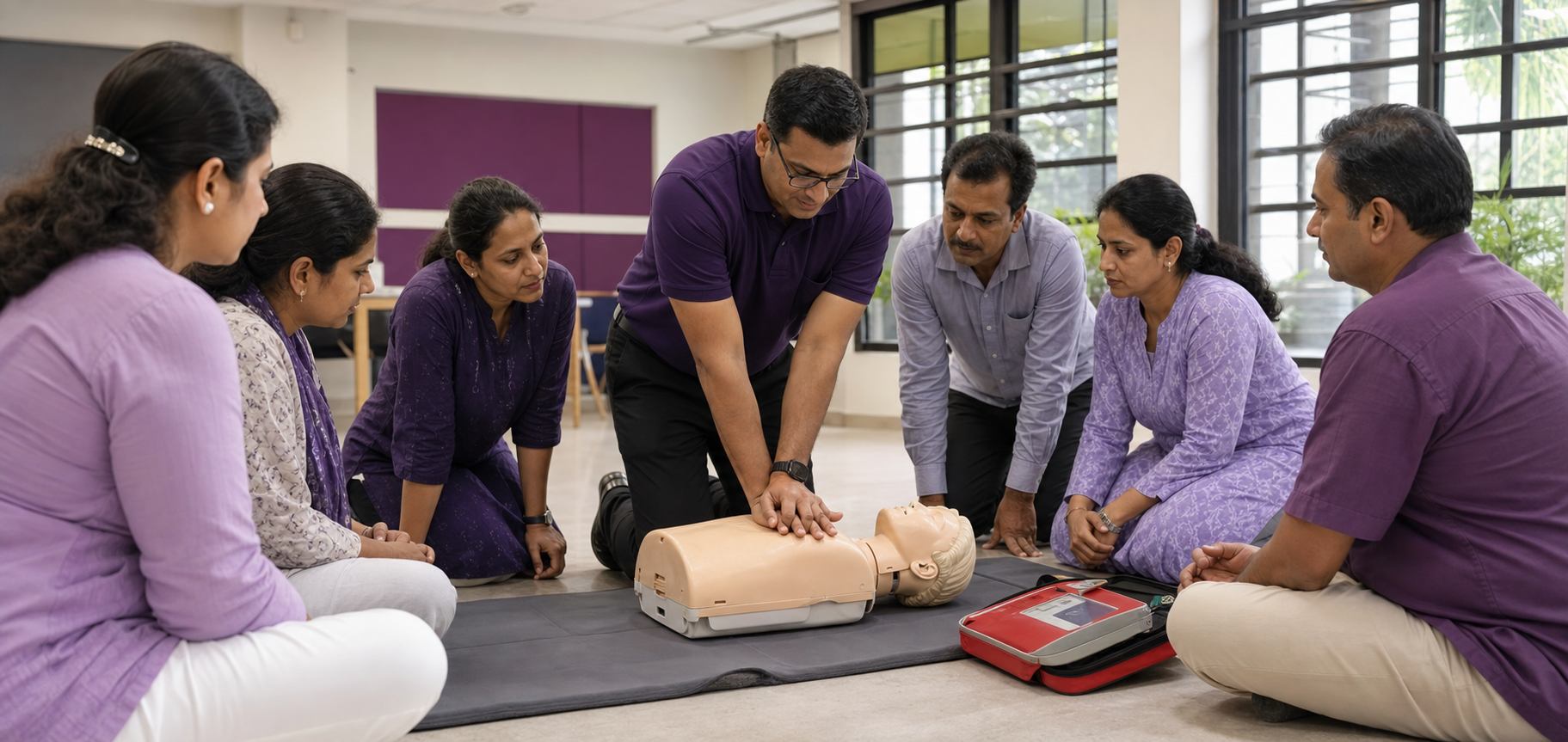
Hands-on life-saving education that turns knowledge into confident action—at home, at work, in school, and throughout the community. Every session combines clear instruction with supervised, realistic practice.
Our approach
We believe life-saving knowledge must be practical, confidence-building, and accessible to everyone.
Every learner participates in realistic scenarios rather than simply listening to theory. Qualified teachers, vocational assessors, and clinically experienced trainers guide participants through repeated practice so they leave ready to respond.
We adapt examples, equipment, language, and assessment to the group in front of us—whether that is a family, school, workplace, healthcare team, or rural community.
Our twin ethos: train for real, and give every participant the confidence to step forward.
Our programmes
Programmes can be adapted for the public, schools, workplaces, community organisations, and professional teams.
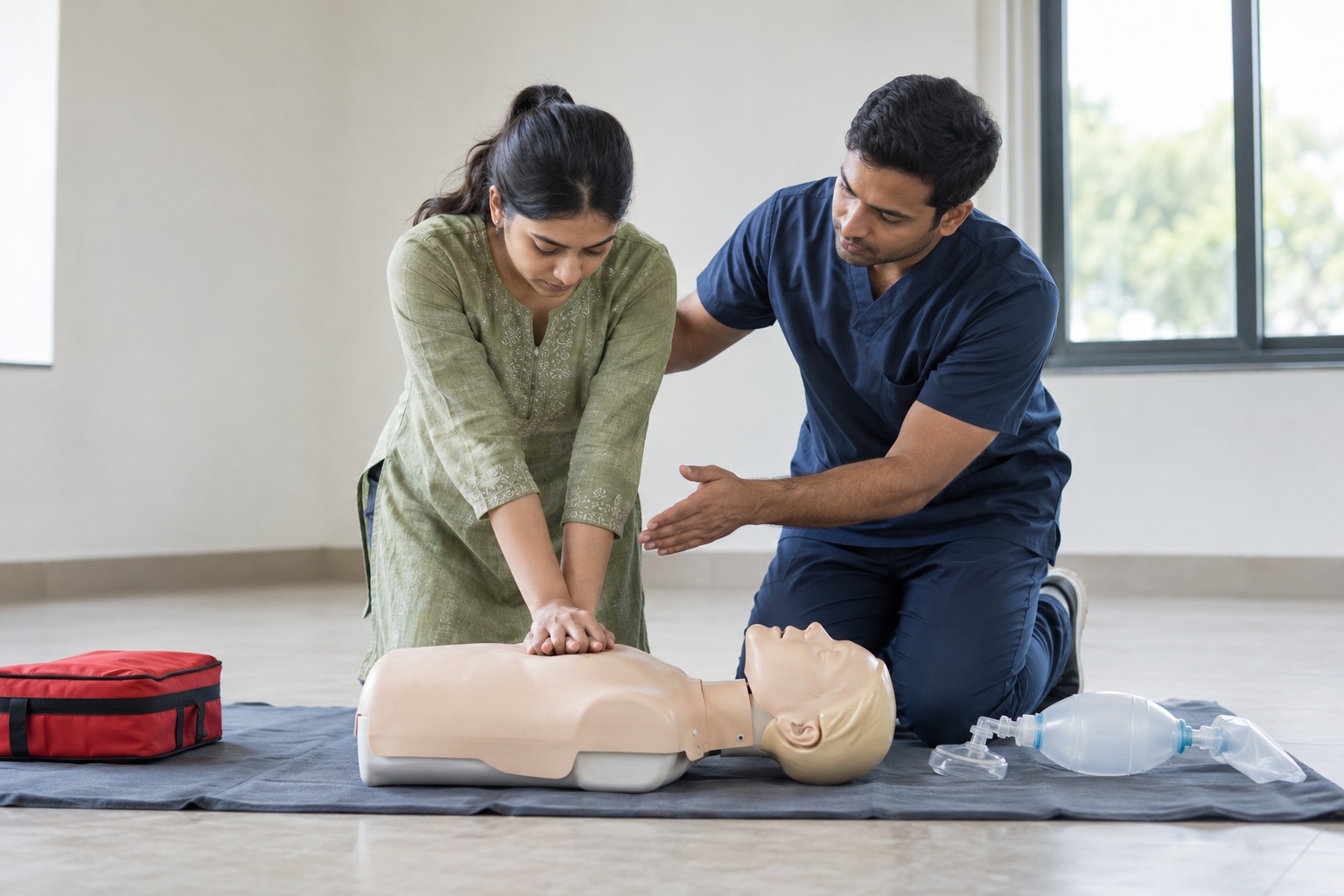
Individuals · Schools · Workplaces
Learn to recognise and respond to cardiac events, choking, bleeding, and other time-critical emergencies.
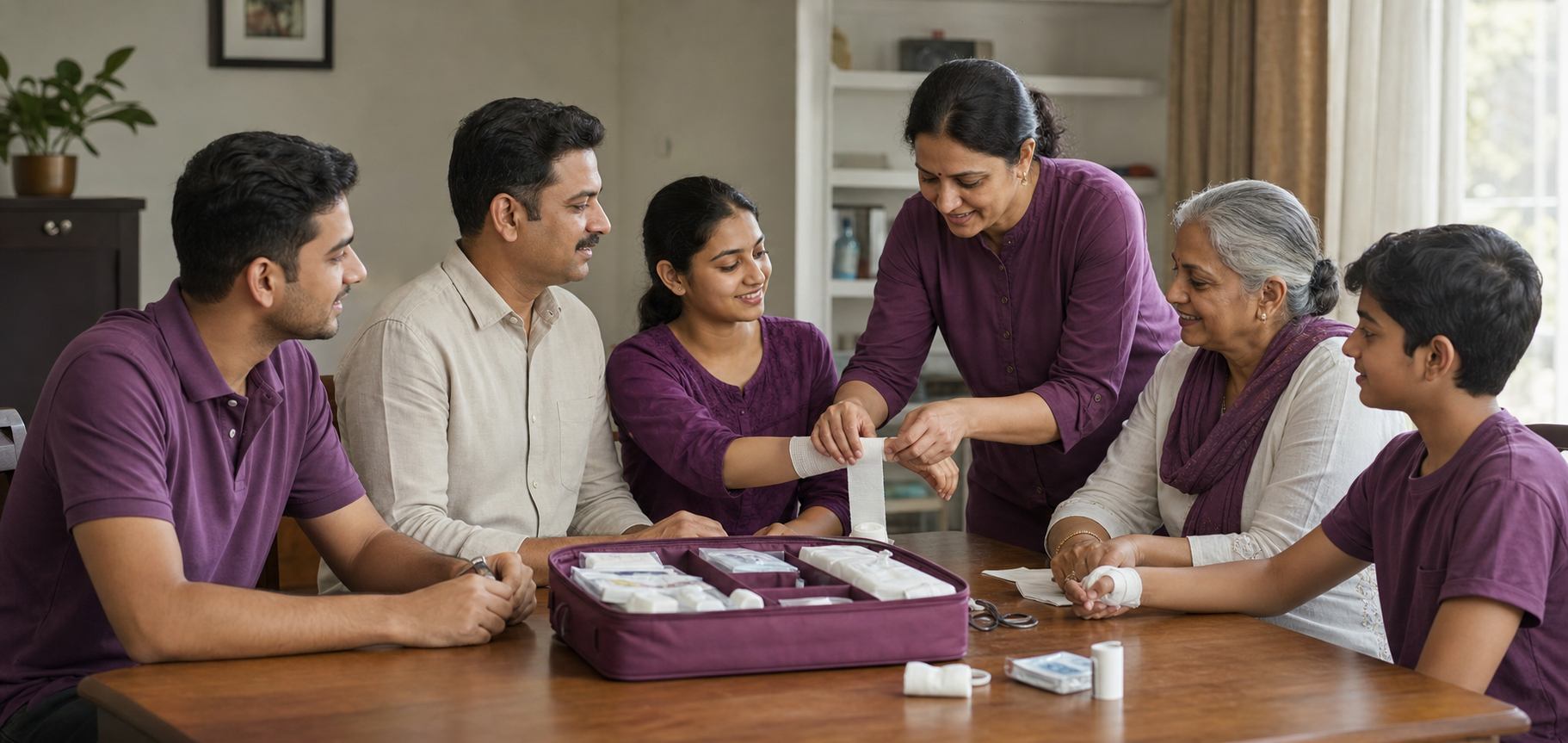
Families · Carers · Young people
Practical confidence for parents, grandparents, teenagers, carers, and young people facing emergencies at home.
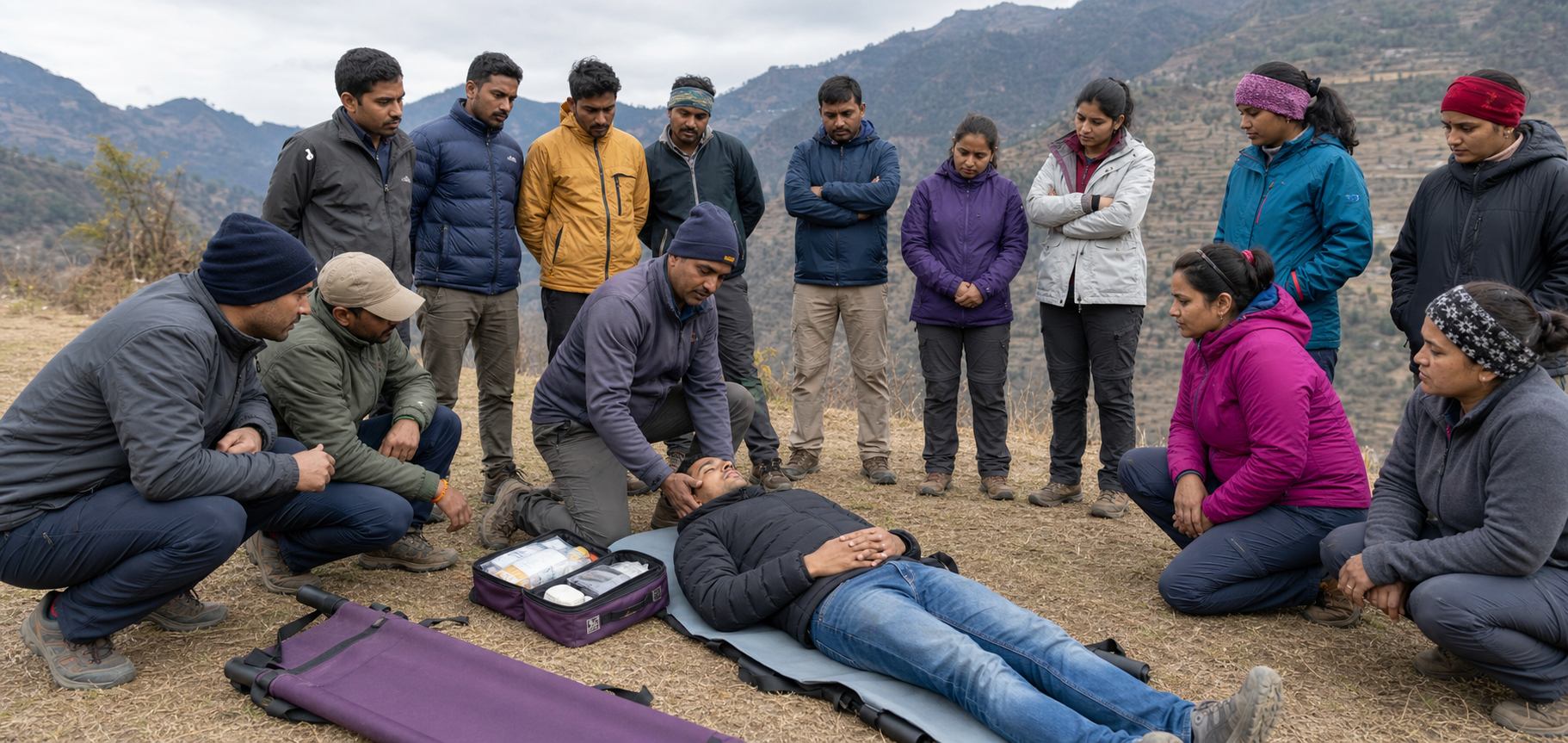
Outdoor teams · Remote workers
Prepare teams to assess risk, manage injuries, and organise safe initial care when professional help may be delayed.
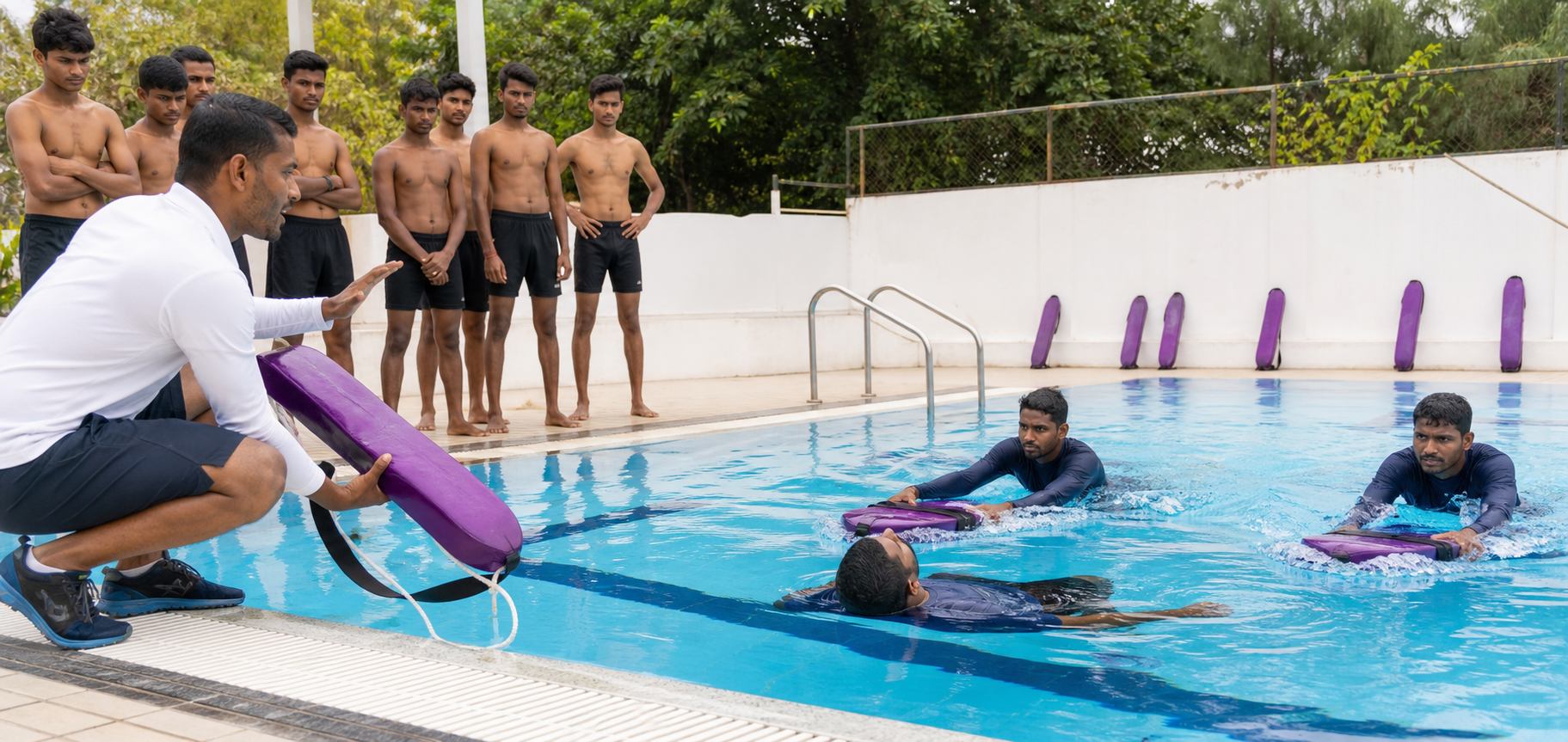
Pools · Beaches · Aquatic centres
Develop prevention, surveillance, land and water rescue, first aid, CPR, and professional rescue competence.
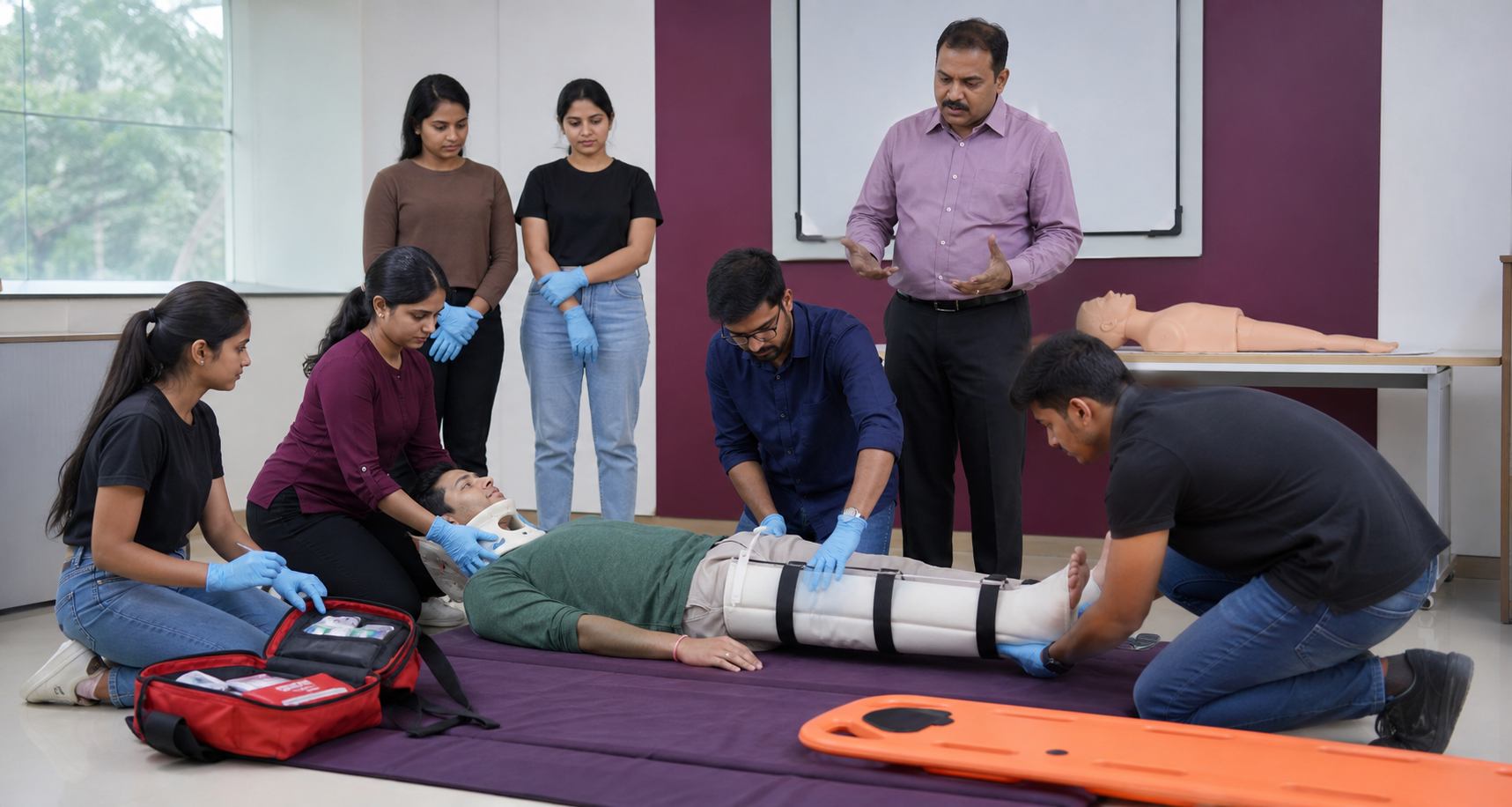
Responders · Institutions · Teams
Build an organised initial response to serious injuries, incidents, and humanitarian emergencies.
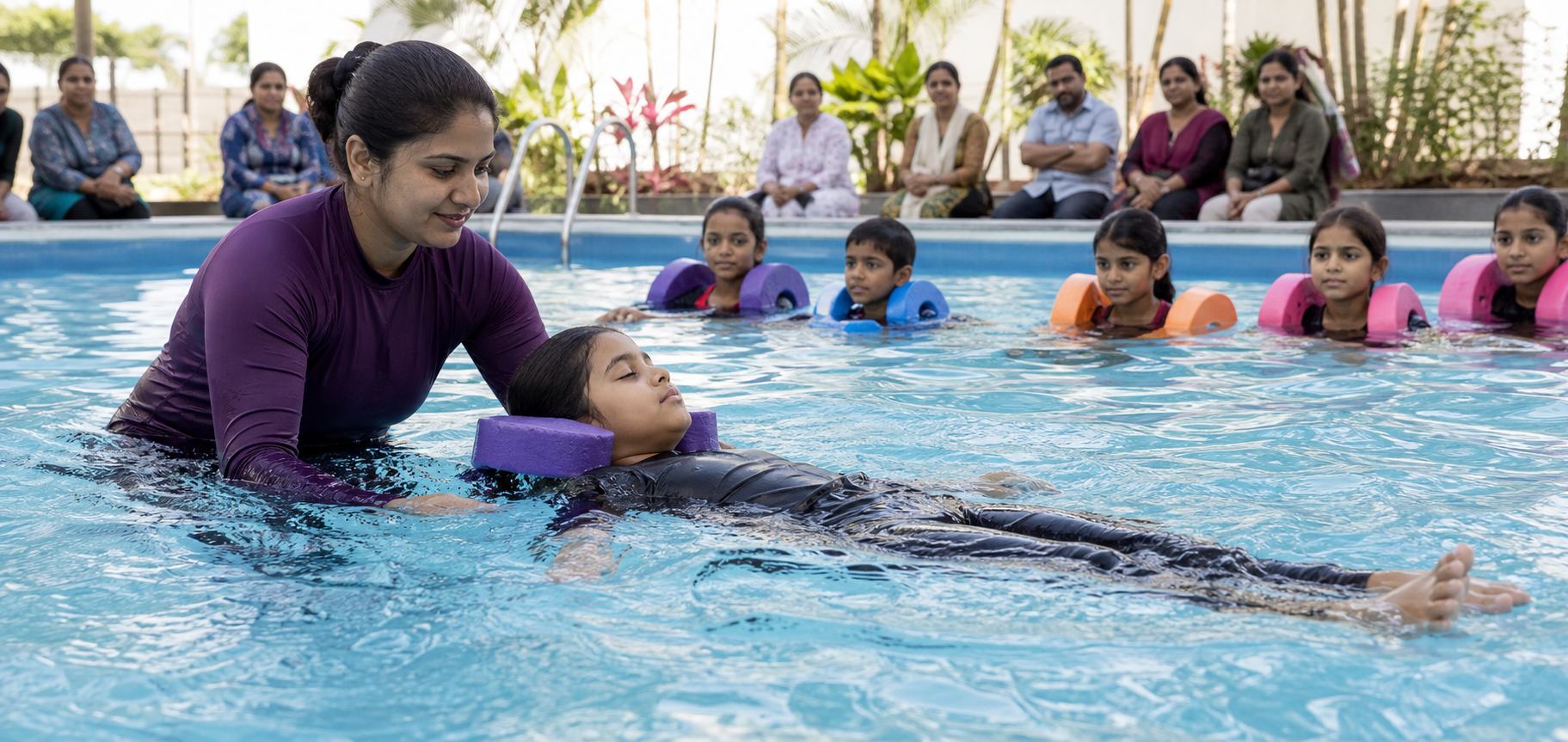
Children · Families · Communities
Teach safe water entry, survival floating, self-rescue, and risk awareness to reduce preventable drowning.
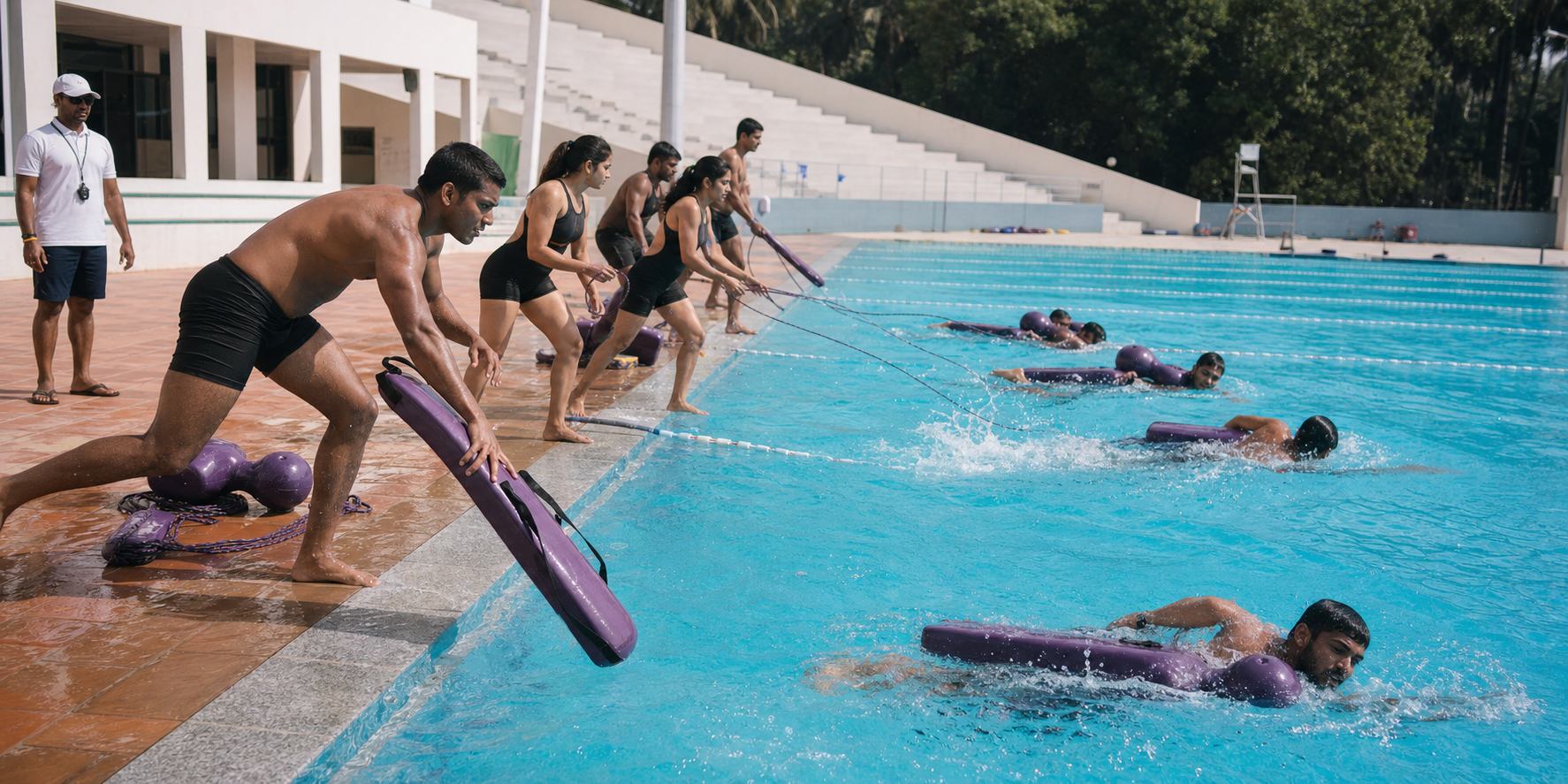
Athletes · Lifeguards · Students
Combine rescue technique, fitness, teamwork, and competition to strengthen practical aquatic lifesaving skills.
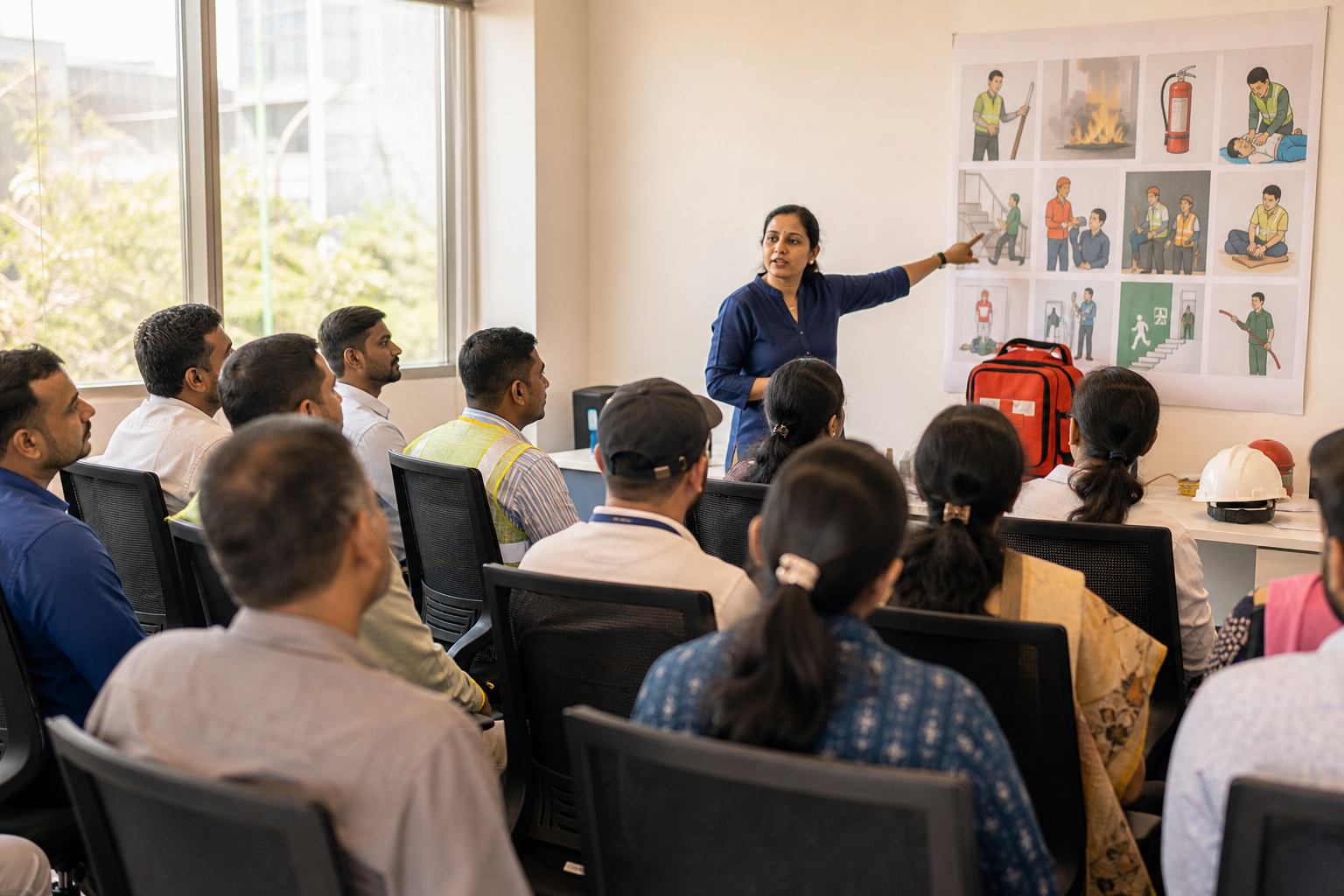
Schools · Companies · Communities
Focused, accessible learning for schools, workplaces, families, and communities—onsite or online.
Response topics
Our sessions can include scene safety, infection prevention, patient assessment, communication, safe moving and handling, airway and breathing support, CPR and AED, bleeding and shock, and handover to emergency services.
We also cover common medical emergencies such as heart attack, stroke, diabetes, epilepsy, asthma, anaphylaxis, and unconsciousness, together with trauma care for burns, fractures, soft-tissue injuries, and environmental conditions such as heat and hypothermia.
Content is adapted to the learners, setting, equipment, and risks of each programme. Practical training is educational and does not replace local emergency-service advice or clinical care.
How we teach
Our courses move from clear instruction to supervised practice and confident decision-making.
Understand the scene, recognise danger, and identify what requires immediate attention before taking action.
Learn through instructor demonstrations, guided roleplay, manikins, and realistic supervised scenarios.
Build the calm decision-making, communication, and practical confidence needed to act until help arrives.
Training for everyone
Training is adjusted to the risks, responsibilities, and experience of each group while maintaining a consistent focus on safe, effective action.
Bring training to your community
Tell us who you want to train, where the sessions will take place, and which risks matter most.
Course enquiry
Complete the form and our team will respond with availability, eligibility, and next steps.